



Is the nitrate in your well safe?
Nitrate in well water is a problem above 10 mg/L, the Washington drinking water standard for nitrate measured as nitrogen. Above that level, DOH says not to give the water to babies younger than 12 months, and not to drink it if you are pregnant or trying to become pregnant. Boiling does not help; it can raise the nitrate level. Use bottled water until a lab retest shows the problem is solved.
Street to Drainfield · updated · sources listed at the end

What is the safe level of nitrate in well water?
The standard is 10 milligrams per liter, measured as nitrogen. DOH's nitrate page gave that figure when read on 6 November 2026, and DOH's Group B pages express the same limit as 10 parts per million. Public systems must notify customers above it. A private well has no one to send that notice, so the lab report is your notice. If the result is 5 mg/L or higher, DOH suggests testing again in six months, because nitrate in a well can change through the year.
Why are babies most at risk from nitrate?
High nitrate reduces the blood's ability to carry oxygen. Most adults and children recover quickly, but babies do not, and those fed formula mixed with high-nitrate water can develop methemoglobinemia, often called blue baby syndrome. DOH's advice:
- Do not give babies younger than 12 months water with nitrate above 10 mg/L.
- If you are not sure about your well, use bottled water for food, drinks and baby formula.
- Do not boil high-nitrate water; boiling may increase the nitrate level.
- Take anyone with a brownish-blue skin tone, or blue lips, tongue, gums, nail beds or nose, to a hospital immediately.
DOH also says that very low levels of nitrate turn up in breast milk, but not high enough to cause blue baby syndrome.
Who else should avoid high-nitrate water?
DOH says not to drink water above 10 mg/L if you are pregnant or trying to become pregnant, and lists low stomach acid, anemia, heart and lung disease and some inherited blood conditions as raising the risk for adults. If any of those apply in your house, talk with your doctor and test sooner rather than later.
Where does nitrate in Thurston County wells come from?
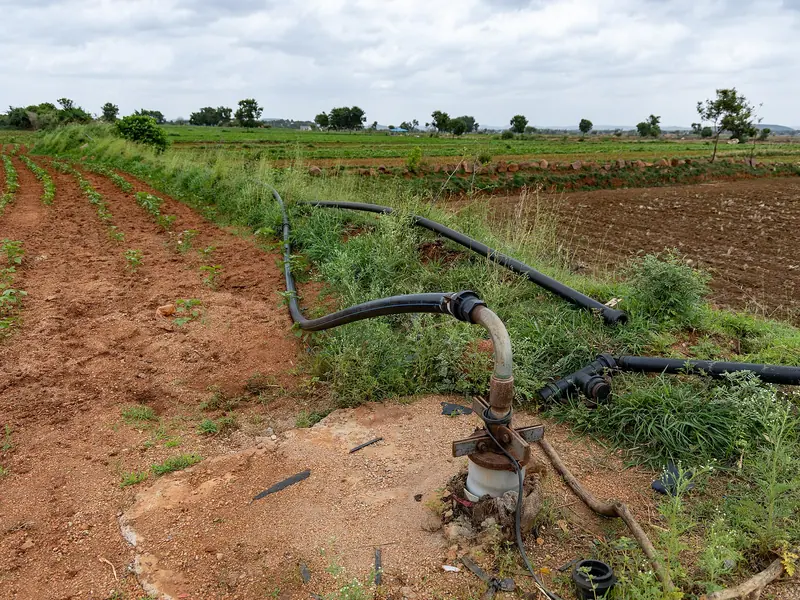
DOH names fertilizers, manure, agricultural runoff and liquid waste from septic tanks; rain carries nitrate down to the groundwater a well draws from. Shallow, poorly sealed or poorly built wells are at the greatest risk. Locally, a 1998 USGS study of northern Thurston County found that septic tanks in areas of dense housing were likely responsible for elevated nitrate near Lacey and Tumwater. The county's Scatter Creek aquifer project describes sandy, gravelly soils that do not filter contamination well, with nitrate levels at times among the highest in the county. A drainfield that works properly matters to your well too; see signs of a failing drainfield.
Can treatment remove nitrate from well water?
Yes, some can. The CDC's home water treatment page says reverse osmosis may reduce nitrate and distillation removes it, and tells you to check each system's label for what it removes. The DOH and Ecology owner guide says infants and pregnant women should not drink the water until a treatment system provides water continuously below the standard. So the order is: lab test, choose a system rated for nitrate, have it installed, then send a new sample to an accredited lab to confirm the treated water is below 10 mg/L. Keep testing every year after that.
Is there help if your well is high in nitrate?
DOH runs an Alternative Drinking Water Program, offered through some county health departments or community groups, usually as a reimbursement. Ask Thurston County Environmental Health whether it covers your well, and find an accredited lab through private well testing.
Yours to do
- Switch to bottled water for infants, formula and pregnancy until a lab confirms safe levels.
- Test nitrate every year, and again in six months if it reads 5 mg/L or more.
- Keep fertilizer and manure away from the well head.
- Keep your septic system pumped and inspected on the county schedule.
Leave to a licensed or certified pro
- Any repair to a poorly sealed well or well head by a licensed well driller.
- Installing nitrate treatment by a qualified installer, with a plumbing permit where L&I or the county requires one.
- Medical advice and blood testing for a baby by a doctor.
On the record
- 10 mg/LWashington drinking water standard for nitrate, as nitrogenWashington DOH
- 12 monthsAge below which DOH says no water above 10 mg/LWashington DOH
- 6 monthsRetest interval DOH suggests at 5 mg/L or higherWashington DOH
- $32Thurston County lab nitrate test fee, read 6 Nov 2026Thurston County Water Lab
A store to look at
SoftPro sells reverse osmosis systems. Before buying any unit for nitrate, confirm it is certified for nitrate reduction, and retest at an accredited lab after it is installed. SoftPro and this site are run by the same team.
Common questions
Will a water softener take out nitrate?
The CDC says some water softeners may remove nitrate, but not all, so check the product label. Whatever you install, only a lab retest shows whether it worked.
Does a high nitrate result mean my septic system is failing?
Not on its own. DOH lists fertilizers, manure and farm runoff as sources alongside septic waste, so ask Thurston County Environmental Health to help you weigh what is near your well.
Why did my nitrate result change from last year?
DOH notes that nitrate in wells can vary throughout the year. Flooding, new fields or feedlots, and nearby waste disposal can also change it.
Which day should I take a nitrate sample to the county lab?
The county lab takes nitrate samples on Monday afternoons and Tuesdays, and it recommends Tuesday.
Sources
- Nitrate in Drinking Water, Washington DOH — 10 mg/L standard, infant and pregnancy advice, no boiling, sources, Alternative Drinking Water Program; read 6 November 2026
- Group B Nitrate, Washington DOH — 10 ppm, boiling may increase nitrate; read 6 November 2026
- Private Wells: Information for Owners, DOH 331-349 — no drinking for infants and pregnant women until continuous treatment; read 6 November 2026
- About Home Water Treatment Systems, CDC — reverse osmosis may reduce nitrate, distillation removes it, check labels; read 6 November 2026
- Hydrology and quality of ground water in northern Thurston County, USGS — septic tanks and nitrate near Lacey and Tumwater (1998 report); read 6 November 2026
- Water Projects, Thurston County Environmental Health — Scatter Creek aquifer nitrate; read 6 November 2026
- Water Lab, Thurston County Environmental Health — nitrate fee and sample days; read 6 November 2026
- Potential Well Water Contaminants, EPA — nitrate sources and infant risk; read 6 November 2026
How this page was put together. Health advice on this page follows Washington DOH's nitrate pages as they read on 6 November 2026, with treatment information from the CDC and local background from Thurston County and a 1998 USGS report. It gives no medical advice beyond what DOH publishes, and it does not rank treatment products. If DOH's wording and anything here ever differ, follow DOH.
 Next at this stopYour well tested positive for coliform. Now what? AI picture