



How do you test a private well here?
Private well testing in Thurston County starts with two lab tests every year: coliform bacteria and nitrate, as the Washington Department of Health recommends. Use a lab accredited by the Department of Ecology, or the county's own water lab. Add arsenic twice while you have the well, once in summer and once in winter, and test again after any repair, flood or change in the water.
Street to Drainfield · updated · sources listed at the end
Who is responsible for testing a private well?
You are. The Department of Health says plainly that if you have a private well, testing it is your job, not the state's or the county's. The CDC adds that the federal rules covering city water do not apply to private wells, and nobody monitors your tap for you. That is why a dated lab report in a folder by the well house is worth more than any reassurance from a neighbor.
Which private well tests does DOH recommend each year?
DOH recommends coliform bacteria and nitrate every year, because either one can affect health quickly, "possibly even with just one drink," as its Testing Your Water page put it on 6 November 2026. If nitrate comes back at 5 mg/L or higher, DOH suggests a retest in six months. It also suggests arsenic at least twice during the time you have the well, once in summer and once in winter, to catch seasonal swings. The EPA and CDC both list pH and total dissolved solids as yearly checks too.
What each result means is covered on our pages on coliform bacteria and nitrate.
When should you test outside the yearly schedule?
Test sooner when something changes. The DOH and Ecology owner guide lists these triggers for a coliform test:
- someone in the house has an unexplained illness
- a neighbor's well is contaminated or their septic system is failing
- the water changes in look, taste or smell
- any part of the well system is replaced or repaired
- the well has been flooded
For nitrate, the same guide says test when an infant under 12 months lives with you, when someone is pregnant, nursing or trying to become pregnant, or when fertilizer is used near the well.
How do you find an accredited lab for well testing?
Use the Department of Ecology's Lab Search. Ecology runs the state's lab accreditation program, and its how to choose a lab page says to confirm the lab is accredited for the exact test you need, in drinking water. A good report shows when the sample was collected, received and analyzed. Ask the lab for its bottles and instructions before you sample, because coliform bottles are sterile and the lab sets the rules for handling them.
What does the Thurston County water lab test and charge?
The county's Environmental Health water lab tests drinking water for coliform bacteria with E. coli, and for nitrate. Its Water Lab page listed $32 for each of those tests when it was read on 6 November 2026. Bacteria samples go in Monday to Wednesday and Thursday mornings; nitrate samples on Monday afternoons and Tuesdays, and the lab recommends Tuesday for nitrate. It turns bacteria samples away on legal holidays and the weekday before one, because the test takes two days. Bottle pickup and Tuesday drop-off also run in Rainier, Tenino, Rochester and Yelm.
Do home test kits replace a lab test?
No. A home kit can screen for nuisance things like hardness, iron and pH, which helps you decide what treatment to read about. It cannot stand in for the accredited-lab coliform and nitrate tests DOH recommends, and a lender or the county will want the lab report at sale time. For stains and scale, see hard water and iron.
Yours to do
- Book a yearly coliform and nitrate test with an accredited lab or the county lab.
- Collect the sample exactly as the lab's sheet says, from a cold-water tap.
- Keep every lab report with the well log and repair records.
- Retest after floods, repairs, or a change in taste, color or smell.
Leave to a licensed or certified pro
- Any work inside the well casing, including disinfection after a bad result, by a licensed well driller or pump installer.
- Pump and pressure tank repairs by a licensed pump installer, who holds plumbing and electrical licenses.
- Treatment equipment sized to a lab result by a qualified installer.
On the record
- Every yearDOH-recommended test interval for coliform bacteria and nitrateWashington DOH
- 5 mg/LNitrate result at which DOH suggests retesting in six monthsWashington DOH
- 2 timesArsenic tests DOH suggests during well ownership, summer and winterWashington DOH
- $32County lab fee per coliform or nitrate test, read 6 Nov 2026Thurston County Water Lab
| Test | How often (agency advice) | Why |
|---|---|---|
| Coliform bacteria with E. coli | Every year, and after repairs or floods | Signals a path for germs into the water |
| Nitrate | Every year; retest in six months at 5 mg/L or more | Risk to infants and pregnancy |
| Arsenic | Twice while you have the well, summer and winter | Long-term health concern |
| pH and total dissolved solids | Every year (EPA and CDC) | Corrosion, scale and taste |
A store to look at
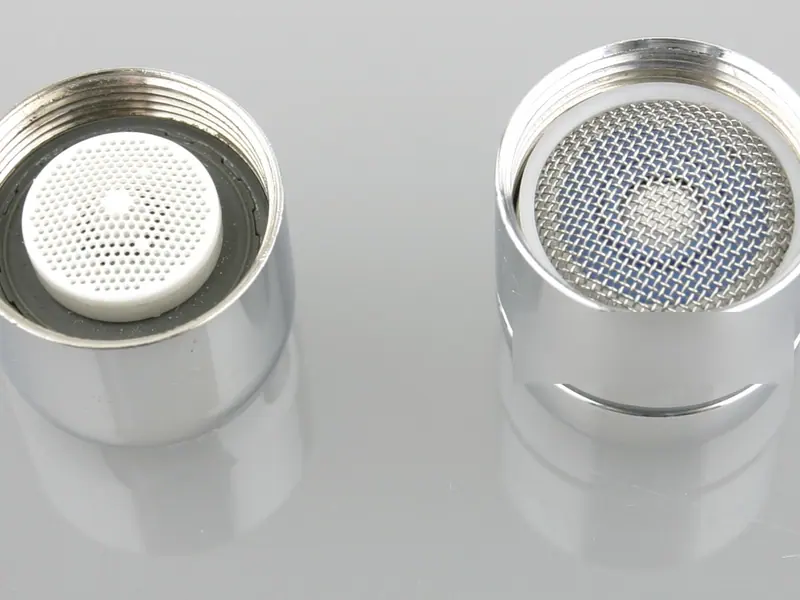
A home screening kit for hardness, iron and pH, useful for sizing up stains and scale before you shop for treatment; it is not a substitute for the accredited-lab bacteria and nitrate tests DOH calls for. Quality Water Treatment is run by the same team as this site.
Common questions
Does a house sale in Thurston County need a well test?
DOH says that in most counties the health or planning department, or the lender, may ask the seller for water-sampling results. Check with Thurston County Environmental Health and your lender early, so the lab has time to report.
Which tap should I take the well sample from?
Follow the instructions that come with the lab's bottle. Labs usually want a cold-water tap without a filter or softener in the line, and the county publishes sampling instructions on its Water Lab page.
How long do lab results take?
The county lab notes its bacteria test takes two days to process. Other accredited labs set their own turnaround, so ask when you pick up the bottle.
Can I drop a sample off on a Friday?
Not at the county lab for bacteria: its posted hours end Thursday at 12:30 pm. Plan to collect early in the week.
Is there help paying for well testing?
DOH's nitrate page mentions an Alternative Drinking Water Program run through some county health departments for wells affected by nitrate. Ask Thurston County Environmental Health whether it applies to you.
Sources
- Testing Your Water, Washington DOH — yearly coliform and nitrate, 5 mg/L retest, arsenic twice, owner responsibility, sale testing; read 6 November 2026
- Private Wells: Information for Owners, DOH 331-349 — when to test for coliform and nitrate; read 6 November 2026
- Water Lab, Thurston County Environmental Health — fees, sample days, holiday rule, south county drop-off; read 6 November 2026
- How to choose a lab, Washington Department of Ecology — accreditation by parameter, what a lab report shows; read 6 November 2026
- Lab Search, Washington Department of Ecology — accredited lab finder; read 6 November 2026
- Guidelines for Testing Well Water, CDC — yearly tests, private wells not regulated; read 6 November 2026
- Protect Your Home's Water, EPA — pH and dissolved solids yearly, test after repairs; read 6 November 2026
- Nitrate in Drinking Water, Washington DOH — Alternative Drinking Water Program; read 6 November 2026
How this page was put together. This page rests on Washington DOH testing guidance, the DOH and Ecology owner publication, Ecology's lab accreditation pages, the Thurston County Water Lab page, and EPA and CDC private well pages, all read on 6 November 2026. It names no private labs and quotes no lab prices other than the county lab's posted fee. Lab hours and fees change, so confirm on the county page before you sample.
 Next at this stopIs the nitrate in your well safe? AI picture