



Frozen pipes in the crawlspace: before and after
Frozen pipes in the crawlspace are mostly a preparation job. Before a cold snap, cover the foundation vents, drain and unhook hoses, cover hose bibs and insulate exposed pipe. If a tap runs slow or stops in freezing weather, assume a frozen line, get the water shut off first, then warm the pipe gently. Never use a torch or any open flame.
Street to Drainfield · updated · sources listed at the end


Why do crawlspace pipes freeze when the house stays warm?
The pipes under the floor sit outside the heated rooms. The National Weather Service names exterior walls, basements, attics and the space under kitchen cabinets as the places pipes freeze most often, and a vented crawlspace behaves much like an unheated basement in an arctic outbreak. Thurston County Emergency Management notes that winter storms fed by arctic air bring snow and freezing rain here, usually in fall and winter. Olympia points out that the line where your water service comes through the foundation is a common trouble spot.
The force involved is large. The City of Olympia's frozen pipes page says freezing water in plumbing can push with more than 2,000 pounds per square inch. That is why a split often shows up only after the thaw, when water flows again.
What should you do the day before a cold snap?
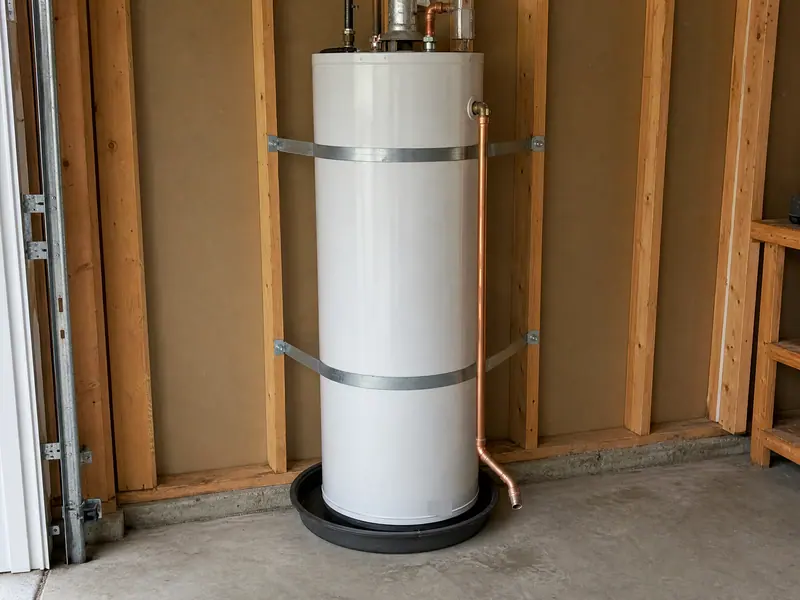
Work outside first, then under the house. Olympia's list, read on 6 November 2026, covers exterior house vents, draining and unhooking every outside hose, wrapping or covering hose bibs, and insulating a water heater and its connections if it sits in an unheated space. Lacey's snow and ice page says the same in fewer words: insulate pipes, disconnect garden hoses, insulate outdoor faucets.
Inside, open the cabinet doors under kitchen and bathroom sinks so warm air reaches the plumbing, and move cleaners up out of children's reach while those doors stand open. When it is very cold, let a cold tap drip on any line that tends to freeze. If you will be away, Olympia suggests leaving the heat set no lower than 55°F.
How do you insulate crawlspace pipes properly?
Fit the sleeve to the pipe. The Department of Energy's Building America guidance on pipe insulation says to clean and measure pipes first, then match the pipe's outside diameter to the sleeve's inside diameter so it fits snugly. Tubular sleeves, spiral wrap and taped batts all work when installed well; wear gloves, goggles and a dust mask with fiberglass.
Pay attention to joints and the run along the rim of the house, where cold air leaks in. A water heater that lives under the house or in a garage gets the same treatment; see water heaters in crawlspaces and garages.
Going under the house in freezing weather: what is safe?
Tell someone in the house that you are going in and how long you expect to be. Take a good flashlight and look before you crawl. If you see standing water anywhere near wiring, a junction box or an outlet, back out. The CDC says never turn power on or off while standing in water, and to call an electrician if reaching the main switch means stepping into water. Do not touch wiring, heat tape connections or a pump's electrical parts.
How do you thaw frozen pipes in the crawlspace without flame?
Get the water off before the ice melts. On Olympia water, the city asks you to call Public Works to shut it off at the meter and warns not to turn the meter yourself, because damage there is billed to you. Once the water is off, Olympia suggests a hair dryer, a heating pad or warm towels on the frozen section.
Open the faucet too, as the weather service advises, so you can tell when water starts to move. Leave space heaters out of the crawlspace: damp ground, water lines and wiring sit too close together down there. Never use a blowtorch or any open-flame device. Olympia calls it a serious fire hazard, and the CDC's winter storm guidance also warns against thawing pipes with a torch.
What about a well house or a pump in an outbuilding?
Treat it like the crawlspace: close it up, insulate the exposed pipe, and keep any heat source well clear of water and anything that can burn. If a line in the well house freezes or splits, switch off the pump at its breaker so it is not running against a broken line, and leave wiring and pump parts to a licensed pump installer or electrician. For how the pump and tank fit together, read the well equipment page.
Yours to do
- Cover foundation vents and outside hose bibs before the freeze.
- Drain and unhook every garden hose.
- Fit foam sleeves to exposed crawlspace pipe.
- Open sink cabinets and let a cold tap drip.
- Thaw gently with a hair dryer or warm towels once the water is off.
Leave to a licensed or certified pro
- Repairing a split or cracked pipe (a licensed plumber, as Olympia advises).
- Any wiring, heat tape circuit or pump electrical work (a licensed electrician).
- Pump or pressure tank replacement in a well house (a licensed pump installer).
- Shutting a city water meter (city crews only).
On the record
- 2,000+ psiForce freezing water can put on household plumbingCity of Olympia
- 55°FLowest thermostat setting Olympia suggests when you travelCity of Olympia
- Water off firstOlympia's first step before thawing any frozen pipeCity of Olympia
A store to look at
PlumbingSupplyAndMore lists foam pipe sleeves and insulated covers by pipe size, so measure the outside diameter of your crawlspace lines before you shop. That supply house and this site are run by the same team.
Common questions
Should I close the crawlspace vents all winter?
Olympia's list says to cover exterior house vents when frigid weather is expected. The city page does not say to keep them shut all season, so many owners cover them for the cold spell and reopen them afterward to let the space dry.
My pipes thawed but nothing is leaking. Am I done?
Look along the whole run with a light before you relax. Olympia says to check exposed pipes for cracks and leaks and to have damaged pipe repaired by a licensed plumber; the city also verifies no leaks when it turns water back on.
Does a dripping tap really help?
Yes, according to Olympia, because moving water stays above freezing. Drip the cold side of the faucet served by the pipes most likely to freeze.
What if I can't get any water at all?
Little or no flow during freezing weather points to a frozen line, Olympia says. The CDC suggests bottled water or a neighbor's tap if you cannot thaw your pipes or they have broken.
Who do I call in Lacey or Tumwater to shut the water off?
Lacey's page tells you to shut off the water main right away if a pipe breaks and call a plumber. On Tumwater water, ask the city how its shutoff works through the City of Tumwater's website; the house valve is covered in your main water shutoff.
Sources
- City of Olympia: Frozen Pipes — prevention list, 2,000 psi, 55°F, shut off first, thawing methods, no open flame; read 6 November 2026
- City of Lacey: Snow and Ice Response — insulate pipes and outdoor faucets, shut off the main if a pipe breaks; read 6 November 2026
- National Weather Service: Essential Tasks After it Warms Up — where pipes freeze, open the faucet, warming methods, never open flame; read 6 November 2026
- CDC: Safety Guidelines During and After a Winter Storm — no torch or open flame to thaw pipes; read 6 November 2026
- CDC: Reentering Your Flooded Home — standing water and electrical power; read 6 November 2026
- DOE Building America: Pipes in Exterior Walls — sizing and fitting pipe insulation; read 6 November 2026
- Thurston County Emergency Management: Severe Weather — arctic-air winter storms in the county; read 6 November 2026
How this page was put together. This page rests on the City of Olympia and City of Lacey cold-weather pages, Thurston County Emergency Management, the National Weather Service, the CDC and the Department of Energy, all read on 6 November 2026. Tumwater's shutoff steps could not be confirmed, so they are left out. It leaves out heat tape installation, any electrical work and any thawing method that uses flame.
 Next at this stopWhere is your main water shutoff? AI picture