


How to check for leaks at the water meter
A water meter leak check is simple: shut off every tap and water-using appliance, read the meter, wait about two hours without using water, and read it again. Any change means water is leaving somewhere. Then use a few drops of food coloring in each toilet tank to test the most common culprit. Read the meter only; the valve in the city's box is not yours to turn.
Street to Drainfield · updated · sources listed at the end


How do you run a water meter leak check?
Pick a quiet stretch when nobody needs water, such as a weekday morning after everyone leaves. EPA WaterSense says to check your water meter before and after a two-hour period when no water is used; if the meter changes at all, you probably have a leak.
- Turn off every faucet, the dishwasher, the washer, an ice maker and any irrigation timer.
- Lift the meter box lid and note the full reading, or take a phone photo.
- Close the lid and wait two hours without using water.
- Read it again. Any change is water you did not use.
If your meter face has a small low-flow indicator, watch it for a minute too. The Olympia and Lacey pages read on 6 November 2026 do not describe their meter faces, so ask your utility what yours shows.
What can you touch in the meter box?
Only the lid, and only to read the meter. Olympia's water utility rules allow only city staff to open or close the water at the meter, and its high-pressure leaflet says the box's shutoff valve is for city employees only. Olympia also asks that nothing sit on the box: no dirt, plants, pots or ornaments. If you cannot find the box or suspect a leak, the city points you to Utility Billing. Lift a heavy lid with care, set it down flat, and put it back before you leave it.
How do you do a toilet dye test?
Put a few drops of food coloring in the tank, not the bowl, and wait. EPA says if color shows up in the bowl after 10 minutes, the toilet leaks, and to flush right after the test so the tank does not stain. Repeat for every toilet.
You may not need to buy anything. Olympia's free indoor water saving kit includes toilet leak-detection tablets, and Lacey's kit includes two of them, one kit per household.
What usually causes a failed dye test?
A worn flapper, most often. EPA says the rubber flapper should be checked and replaced at least every five years, and that a worn one can make a toilet flush on its own or silently leak thousands of gallons a year. Take the old flapper, or a photo of it, to the store so the replacement fits; note its width and whether it has a foam float.
The toilets pass but the meter still moves. Now what?
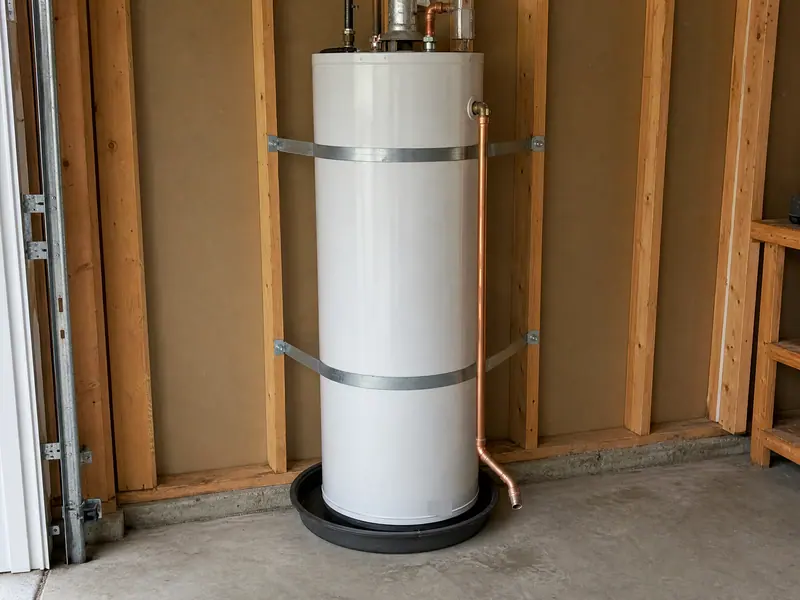
The leak is somewhere else: a dripping faucet, an outdoor hose bib, an irrigation line, a water heater relief line, or the pipe under the house or yard. EPA says a faucet dripping once a second can waste more than 3,000 gallons a year. For pipe you cannot see, read leaks in the crawlspace and find your main water shutoff before you start opening walls.
What do the cities say about leak adjustments?
Rules differ, and they are narrower than many people expect.
| City | What its page said on 6 November 2026 | Where it is published |
|---|---|---|
| Lacey | 50% of one billing cycle's leak water; main line meter-to-house only; repair within 30 days; over $50; once in five years | Leak Adjustment Request Form |
| Olympia | Not summarized here | Ask Olympia Utility Billing |
| Tumwater | Ask the City of Tumwater | Ask Tumwater Utility Billing |
Lacey's request form excludes irrigation lines, appliances, fixtures and anything inside the structure, so a running toilet does not qualify. It asks for a plumber's invoice or receipts and photos, ideally one showing the meter box and the leak in the same view.
Yours to do
- Read the meter before and after two hours with nothing running.
- Dye-test every toilet tank and flush afterward.
- Replace a worn flapper that matches your toilet model.
- Keep the meter box lid clear and close it after reading.
- Photograph any leak before it is repaired.
Leave to a licensed or certified pro
- Turning the shutoff in the city meter box (city staff only).
- Repairing the service line between meter and house (a licensed plumber).
- Leaks inside walls or under slabs.
- Irrigation system leaks, ideally by a WaterSense-certified irrigation pro, as EPA suggests.
On the record
- 10 minutesHow long to wait during a toilet dye testEPA WaterSense
- 5 yearsLongest EPA suggests going before replacing a toilet flapperEPA WaterSense
- 3,000+ gallonsYearly waste from a faucet dripping once a secondEPA WaterSense
- 50%Share of one cycle's leak water Lacey may adjustCity of Lacey
A store to look at
Once a dye test points at the flapper or fill valve, PlumbingSupplyAndMore's toilet parts section is a place to match the replacement to your toilet. It is a store run by the same team as this site.
Common questions
How much water do household leaks waste in a year?
EPA WaterSense puts the average family's leak losses at about 180 gallons a week, or 9,400 gallons a year, on its statistics page.
Does a winter water bill tell you anything?
Yes. EPA says that if a family of four uses more than 12,000 gallons in a colder month such as January or February, there could be serious leaks.
Can I do a meter check on a private well?
There is usually no utility meter on a well. Watch the pressure gauge by the tank with every tap closed instead; if the pump kicks on while nothing runs, look for a leak. See the well pump and pressure tank.
Will fixing small leaks really lower the bill?
EPA estimates that fixing easily corrected household leaks can save homeowners about 10 percent on water bills.
Sources
- EPA WaterSense: Fix a Leak Week — two-hour meter check, dye test, flapper interval, faucet drips, winter usage; read 6 November 2026
- EPA WaterSense: Statistics and Facts — 180 gallons a week, 9,400 a year; read 6 November 2026
- City of Olympia: Drinking Water — meter access by city staff only, keep the box clear; read 6 November 2026
- City of Olympia: Water Conservation — free kit with toilet leak-detection tablets; read 6 November 2026
- City of Lacey: Water Conservation Program — kit with two toilet leak detection tablets; read 6 November 2026
- City of Lacey: Leak Adjustment Request Form — adjustment conditions and amount; read 6 November 2026
How this page was put together. Based on EPA WaterSense plus the Olympia and Lacey water pages and Lacey's leak form, all read on 6 November 2026. Olympia's and Tumwater's adjustment terms could not be confirmed, so neither is summarized. Meter valve operation and service-line repair are left out.
 Keep walking to stop 2House and crawlspace