



Spotting leaks in the crawlspace
Leaks in the crawlspace usually show up first as a rising water bill, a meter that moves with every tap closed, a musty smell or a soft spot in the floor. Confirm with the meter, then look under the house with a light from the access hatch. If there is standing water near any wiring, stay out and get the power dealt with first.
Street to Drainfield · updated · sources listed at the end


How can you tell there is a leak before you crawl in?
Let the meter tell you. EPA WaterSense's leak-hunting advice is to compare two meter readings taken two hours apart with nothing running; a change means a probable leak. The full routine is on the water meter leak check. If the meter moves and every toilet passes a dye test, the hidden pipe under the floor becomes the main suspect.
Other clues come from above: a floor that feels spongy near the bathroom, a damp smell in closets on the outside walls, or warm spots on the floor in winter, which can point to a hot water line. A sudden jump in your bill during January or February, when outdoor watering is off, is worth taking seriously. EPA says a family of four using more than 12,000 gallons a month in a colder month could have serious leaks.
Is it safe to go into the crawlspace to look?
It can be, with care. Tell someone in the house you are going in. Start by shining a light from the hatch. If you see standing water and any wiring, outlets, a sump pump cord or a junction box near it, do not go in. The CDC says to turn off the main power only from a dry place, to call an electrician if reaching the switch means stepping into water, and never to switch power on or off while standing in water. Never touch wiring under the house, wet or dry.
If the hatch is dry, crawl in on the vapor barrier, keep your light on the pipe runs, and come out if you smell sewage or feel unwell.
What do leaks in the crawlspace look like up close?
Look along every supply line, not only under the bathroom. EPA advises checking pipe fittings for water on the outside of the pipe. Under a floor that means:
- Wet or puddled vapor barrier below a joint, valve or shower.
- Crusty white or green deposits at copper fittings.
- Drips from a toilet supply or flange, sometimes with stained subfloor above.
- Insulation that sags or drips water.
- A split near the foundation after a freeze; see frozen pipes in the crawlspace.
A wet patch with no pipe overhead may be groundwater or a downspout problem rather than plumbing, so note where it is.
What should you do once you find water?
Stop the flow, then dry the space. Close the house-side main valve; the steps are on your main water shutoff. In Olympia only city staff turn the valve in the meter box, so call the city if your house has no valve of its own. The CDC also says to dry wet areas as soon as possible to prevent mold, use fans to push air out rather than in, and make sure crawlspaces drain and ventilate.
Take photos before anything is repaired. They help the plumber and any billing request.
Who fixes it, and does it need a licensed plumber?
Washington L&I says property owners can do plumbing on property they own, and that only L&I-certified plumbers may do plumbing on someone else's property. A handy neighbor or a general handyman working on your house does not qualify. For anything beyond a compression fitting you can reach easily, a licensed plumber is the practical call, and any electrical problem the water touched goes to a licensed electrician.
Will the city adjust the bill for a crawlspace leak?
Maybe not. Lacey's leak adjustment form, read on 6 November 2026, covers leaks on the main line from the meter box directly to the house. It excludes appliances, fixtures and any other cause from inside the structure, so a crawlspace leak may fall outside it; ask Lacey Utility Billing how it treats your case. Olympia and Tumwater customers should ask their own utility billing office; Tumwater's is reached through the City of Tumwater's website.
Yours to do
- Compare two meter readings taken two hours apart with nothing running.
- Look from the hatch with a strong light before you crawl.
- Close the house-side main once you find a leak.
- Photograph the wet area and the pipe above it.
- Run fans to dry the space once the leak is stopped.
Leave to a licensed or certified pro
- Repairing or replacing supply pipe and fittings (a licensed plumber).
- Anything electrical that standing water has reached (a licensed electrician).
- Shutting the valve in a city meter box (city crews).
- Mold cleanup beyond a small dry-out, by a qualified contractor.
On the record
- 9,300+ gallonsYearly water the average household's leaks can wasteEPA WaterSense
- 9%Share of homes with leaks wasting 50 gallons or more a dayEPA WaterSense
- 2 hoursNo-use window for a meter leak checkEPA WaterSense
- 30 daysLacey's window to repair after city notice, for an adjustmentCity of Lacey
A store to look at
When a plumber reroutes damaged supply line under a house, PEX rated for drinking water is a common choice; PlumbingSupplyAndMore's PEX section shows the sizes and coil lengths. That shop is run by the same team that runs this site.
Common questions
Why does my crawlspace smell musty even with no visible puddle?
A slow seep can wet insulation or wood without pooling on the vapor barrier. Run the two-hour meter check; if it holds steady, the moisture may be coming from the ground or gutters rather than a pipe.
Can a leak in the crawlspace come from the water heater?
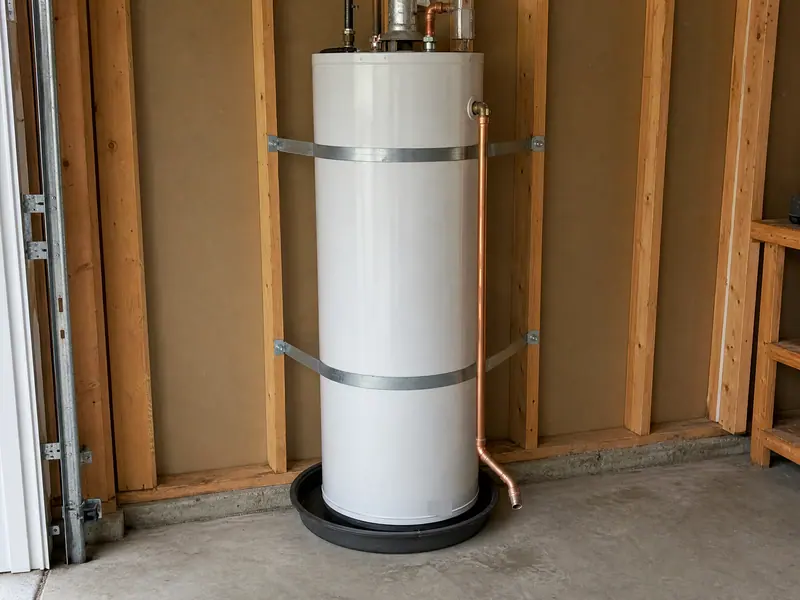
Yes, if the heater or its connections sit under the house. Check the fittings on top and the relief valve line, and see a heater that lives under the floor.
Should I pump out standing water myself?
Only when you can be sure no electrical parts are wet and the power to anything in the water is off from a dry spot. The CDC advises calling an electrician if you would have to step into water to reach the switch.
How long should I let the crawlspace dry before closing it up?
No agency page gives a set number of days. Keep the fans running and the vents open until the soil, wood and insulation feel dry, and ask your plumber to recheck the repair before you seal anything.
Does homeowner's insurance want photos of the leak?
That depends on your policy. Photos taken before repair also help with a Lacey adjustment request, which asks for pictures showing where the leak was.
Sources
- EPA WaterSense: Fix a Leak Week — meter check, winter usage check, pipe fittings, leak statistics; read 6 November 2026
- CDC: Reentering Your Flooded Home — standing water and power, drying out, crawlspace drainage; read 6 November 2026
- Washington L&I: About the Plumber Program — owners and certified plumbers; read 6 November 2026
- City of Lacey: Leak Adjustment Request Form — which leaks qualify, 30 days, photos; read 6 November 2026
- City of Olympia: Drinking Water — only city staff operate the meter; read 6 November 2026
How this page was put together. Draws on EPA WaterSense, the CDC, Washington L&I and the City of Lacey and City of Olympia utility pages, read on 6 November 2026. Olympia's and Tumwater's leak-adjustment terms could not be confirmed, so neither is summarized. Repair methods, mold remediation and electrical steps are left out on purpose.
 Next at this stopWhy is the water pressure low?