



What should never go down a septic drain?
What not to flush with a septic tank: anything other than human waste, toilet paper and the soap you wash with. Thurston County's never-flush list runs to 18 entries, from every kind of wipe, even ones labeled flushable, to pads, diapers, floss, cat litter, grease, paint, motor oil, unused medicine and hot-tub water. Most of it belongs in the trash, the compost or a take-back program.
Street to Drainfield · updated · sources listed at the end

Which items are on Thurston County's never-flush list?
The county's care and maintenance page names 18. From the bathroom: baby wipes, adult wipes, cleaning wipes, tampons or pads, diapers, condoms, dental floss, paper towels, cotton balls or swabs, hair and nail clippings, cigarette butts and ash, and bandages. From around the house: cat litter or dog feces, grease or cooking oil, eggshells and food scraps, and unused medication. From the garage and yard: paint of either kind, gasoline, motor oil, antifreeze and other vehicle fluids, plus water drained from a hot tub. The county's reason is simple: "Anything you flush down today will have to be pumped out later!"
Are flushable wipes safe on a septic system?
No. Thurston County lists adult wipes "even if they say flushable," and the Department of Health says never to flush baby wipes, cleaning wipes or any moist towelette. Wipes do not break down the way toilet paper does, so they sit in the tank as solids or snag in pipes and baffles. A small lidded bin beside the toilet solves most of it, and a note on the bathroom door helps guests and renters.
What should stay out of the kitchen sink?
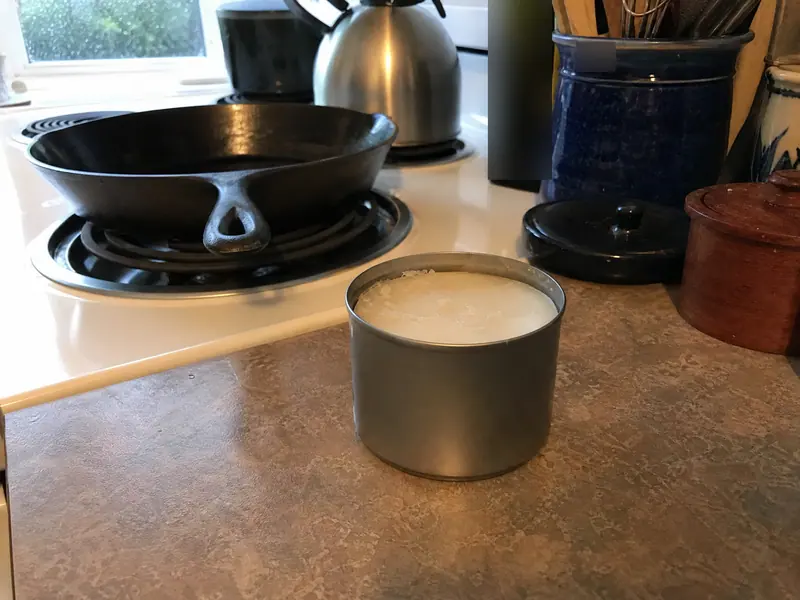
Fats, food and coffee grounds. EPA's care page spells out the greasy group as fats, butter, wax, cheese and heavy cream, and DOH suggests letting cooking grease cool and harden, then putting it in the trash. Food from a garbage disposal mostly floats as scum, and the county says disposals change pumping frequency dramatically; limit or skip the disposal and compost scraps instead. Eggshells and coffee grounds both appear on the county and DOH lists.
Do drain cleaners or septic additives help?
No to both. DOH and EPA advise avoiding chemical drain openers on a septic system and using a drain snake on a clog instead; chemicals can kill the bacteria that break waste down. Washington's rule, WAC 246-272A-0270, bars using strong acids, bases or chlorinated solvents to clean a system, and bars any additive not specifically approved by DOH. Even on DOH's approved list, the county notes, DOH checks additives for safety, not for whether they work.
Where do paint, solvents and old medicine go instead?
Take them to a hazardous-waste drop-off or a medication take-back site, not the drain. DOH points readers to the Department of Ecology's recycling information line for local drop-off locations and to medication take-back programs. Septic systems do not remove chemicals, the county says, and EPA adds that harmful chemicals can be discharged into groundwater. On a rural lot with a private well, that groundwater may be your drinking water, which is why private well testing matters on the same property.
What about hot-tub water and other big loads?
Keep large volumes out. Thurston County lists hot-tub water by name, and its FAQ explains why: each gallon flowing in forces an equal gallon on toward the drainfield, so a surge can carry solids out before they settle. EPA suggests spreading laundry across the week rather than doing it all in one day. Water softener discharge to a septic system isn't covered in the county, DOH or EPA guidance listed below; ask a county-certified septic professional before connecting one, and see hard water and iron for treatment basics.
Yours to do
- Put a lidded bin in every bathroom for wipes and hygiene products.
- Cool grease in a can and throw it out.
- Use a drain snake instead of chemical openers.
- Drop off paint, fuel and solvents at a hazardous-waste site.
Leave to a licensed or certified pro
- Clearing a clog in the line between the house and tank.
- Removing wipes or debris caught on a tank baffle.
- Pumping a tank that filled early from heavy disposal use.
- Advising whether a treatment unit's discharge can go to your system.
On the record
- 18Items on Thurston County's never-flush listThurston County Environmental Health
- 70 gallonsIndoor water use per person per day, upper endUS EPA
- 200 gallonsWater a single running toilet can add per dayUS EPA
- 25 to 30%Share of household water used by toiletsUS EPA
Common questions
Is dryer-sheet or tissue flushing a problem?
Yes. The county's FAQ lists static cling sheets and facial tissues among things to keep out of the toilet, alongside paper towels.
Can I flush dog waste from the yard?
No. Thurston County puts cat litter and dog feces on its never-flush list; bag it for the trash.
Does bleach from laundry harm the tank?
County, DOH and EPA guidance warns against large volumes of toxic cleaners and chemicals but sets no bleach limit. Use ordinary household amounts and keep strong chemicals out.
What should renters be told about the septic system?
The county suggests stressing water saving and proper use, and offers posters, handouts and free workshops landlords can pass on.
Does the never-flush rule apply to a shop sink or RV dump?
Yes. DOH says RV and boat waste dumped into a home system fills the tank faster, and the county's list already covers paint, fuel and vehicle fluids.
Sources
- Care & Maintenance of Your Septic System, Thurston County — 18-item never-flush list, additives, chemicals; read 6 November 2026
- Septic system FAQ, Thurston County — garbage disposals, gallon-in gallon-out, renters, toilet items; read 6 November 2026
- Caring for Your Septic System, Washington State Department of Health — wipes, grease, drain openers, drop-off and take-back, RV waste; read 6 November 2026
- How to Care for Your Septic System, US EPA — grease examples, water-use figures, laundry; read 6 November 2026
- WAC 246-272A-0270, Washington State Legislature — ban on cleaning chemicals and unapproved additives; read 6 November 2026
How this page was put together. The lists here come from Thurston County Environmental Health, the Washington State Department of Health, EPA and the state septic rule, all read on 6 November 2026. None of those pages addressed water softener discharge, so the page makes no claim about it, and it names no products or brands.
 Next at this stopWhat to do when the septic alarm goes off AI picture